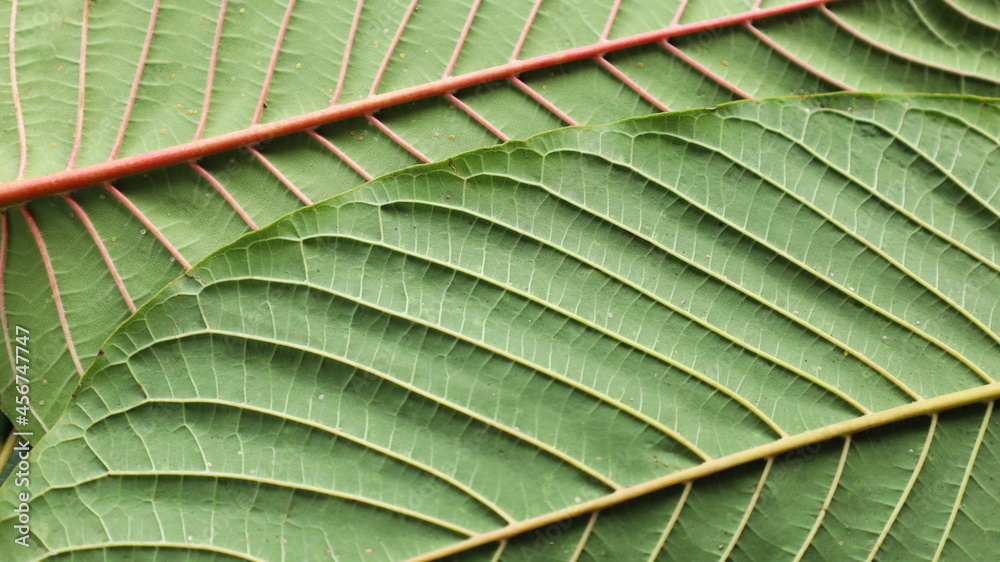
Kratom, scientifically known read more as Mitragyna speciosa, is a tropical evergreen tree native to Southeast Asia. Belonging to the coffee family (Rubiaceae), this plant is traditionally found in Thailand, Malaysia, Indonesia, and Papua New Guinea.
While it has been used traditionally to combat fatigue among manual laborers, modern users turn to it for a variety of reasons, ranging from pain relief to mood enhancement. Its chemical profile is rich in alkaloids, specifically mitragynine, which is responsible for the majority of its effects.
The Three Main Types of Kratom Explained
Kratom is typically categorized by the color of the veins in the leaf at the time of harvest. The color of the vein indicates the chemical composition of the leaf, which dictates the final effect on the user.
1. Red Vein Kratom
Red vein leaves are the most mature and are widely known for their calming properties. Users often report that red strains provide significant relief from body aches and help quiet a busy mind.
2. White Vein Kratom
On the opposite end of the spectrum, white vein kratom is harvested early and is known for its stimulating effects. It is popular among students and professionals who need to stay sharp and motivated.
Green Vein: The Best of Both Worlds
If you can't decide between energy and relaxation, green vein strains offer a perfect middle ground. This is often recommended for beginners because the effects are moderate and well-rounded.
Proper Dosage and Safety Guidelines
Understanding the dose-dependent nature of this plant is key to having a positive experience. For most people, a starting amount of 2 grams is perfect to gauge sensitivity.

Side effects like headaches or nausea are often just signs of dehydration, so keep your water intake high. Always ensure you are buying from vendors who perform third-party lab testing.
Whether you are seeking relief, energy, or balance, there is likely a strain that fits your needs perfectly. Stay informed, stay hydrated, and always listen to your body.